Clearing That Respects Conservation Boundaries
Brush mowing in Webster for overgrown vegetation and property maintenance
Small trees, saplings, and dense undergrowth take over rural properties faster than you can stay ahead of with standard mowing equipment. Back 40 Dirt and Timber handles brush mowing for properties in Webster where vegetation has outgrown what a riding mower can cut, particularly along fence lines, field edges, and CRP boundaries where maintaining clear lines matters for compliance and aesthetics. The growing season in southern Minnesota means brush can add several feet of growth in a single summer, turning maintained edges into tangled barriers by fall.
Brush mowing cuts vegetation at ground level and mulches it into small pieces that decompose on-site, which clears the visual mess and stops further encroachment without requiring removal and disposal of cut material. The work involves determining what can be cleared while staying compliant with conservation program requirements, since CRP land has specific restrictions on mowing timing and setback distances that vary based on contract terms and county regulations.
Schedule a consultation to review property boundaries and discuss compliance requirements before clearing begins.
How Brush Mowing Addresses Overgrowth
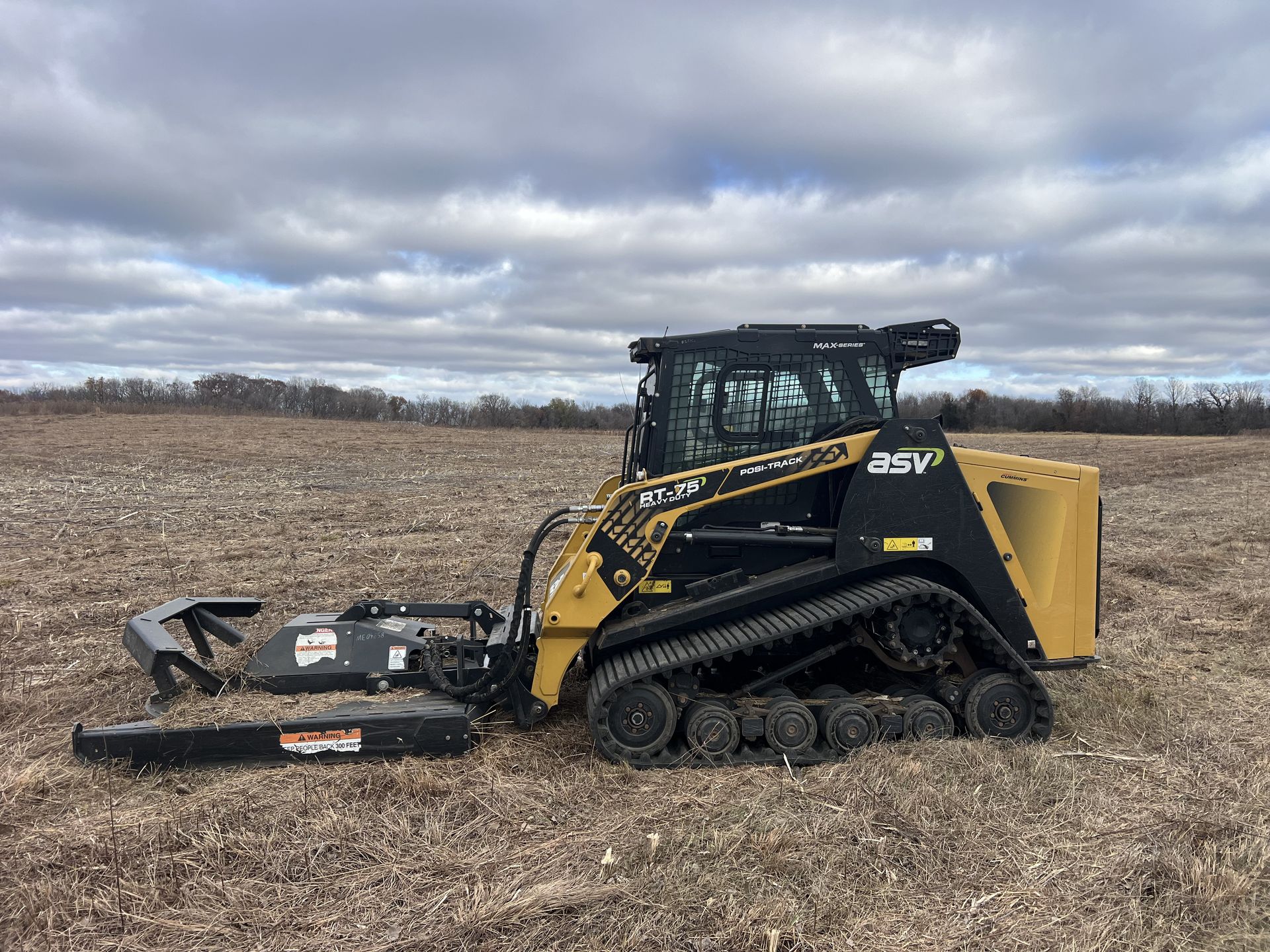
The mowing attachment cuts through woody stems and thick undergrowth that would jam or damage standard rotary mowers, processing everything from tall grass to saplings up to three inches in diameter. The cut material gets chopped into small pieces that spread across the cleared area rather than piling up in rows that need raking or burning. This approach works for property maintenance, aesthetic improvement, and creating defensible space around buildings or along access roads where visibility and fire risk matter.
After mowing is complete, you'll see defined property lines, cleared sight distances, and vegetation cut back to ground level where it no longer blocks access or hides fences and field markers. The work stops regrowth temporarily, but most brush species will sprout again from the roots, which means properties need repeat mowing every one to three years depending on how aggressively vegetation grows back. Knowledge of CRP boundaries and conservation compliance separates this service from standard clearing that might inadvertently violate program requirements and trigger penalties.
The service covers mowing and mulching of standing brush, but it doesn't include removal of large stumps, treatment of regrowth with herbicides, or clearing of mature trees that exceed the cutting capacity of the mowing deck. Properties enrolled in conservation programs should verify mowing timing with their FSA office, since some contracts restrict vegetation management during nesting season or require specific buffer widths that can't be mowed without approval.
Common Questions About This Service
Landowners preparing properties for grazing, hunting access, or general maintenance usually ask about what can be cleared and how to avoid compliance problems with conservation programs.
What size vegetation can brush mowing handle?
The mowing deck cuts saplings and woody brush up to three inches in diameter, which covers most overgrown vegetation on rural properties but not established trees or large shrubs that require forestry mulching equipment.
How does CRP enrollment affect what can be mowed?
Conservation Reserve Program contracts specify buffer widths, mowing timing restrictions, and approval requirements that vary by contract type—mowing outside those parameters can result in payment reductions or contract violations that affect future eligibility.
When should brush mowing be scheduled in Webster?
Late summer or fall after nesting season ends provides the best timing for properties with conservation restrictions, while general maintenance can happen any time the ground is firm enough to support equipment without creating ruts.
What prevents brush from growing back immediately?
Mowing removes the above-ground growth and sets back regrowth by forcing plants to sprout from root reserves, but it doesn't kill the root systems—repeat mowing every one to three years keeps vegetation manageable without requiring herbicide treatment.
How is property boundary compliance verified?
The process involves reviewing property maps, identifying CRP boundaries marked by FSA, and confirming buffer widths before work begins so that cleared areas stay within allowed zones and don't trigger compliance issues during inspections.
Back 40 Dirt and Timber is fully insured with understanding of rural property management across southern Minnesota. Request a property visit to discuss specific clearing needs and review any conservation program requirements that affect mowing boundaries.