Driveways That Handle Minnesota Weather Cycles
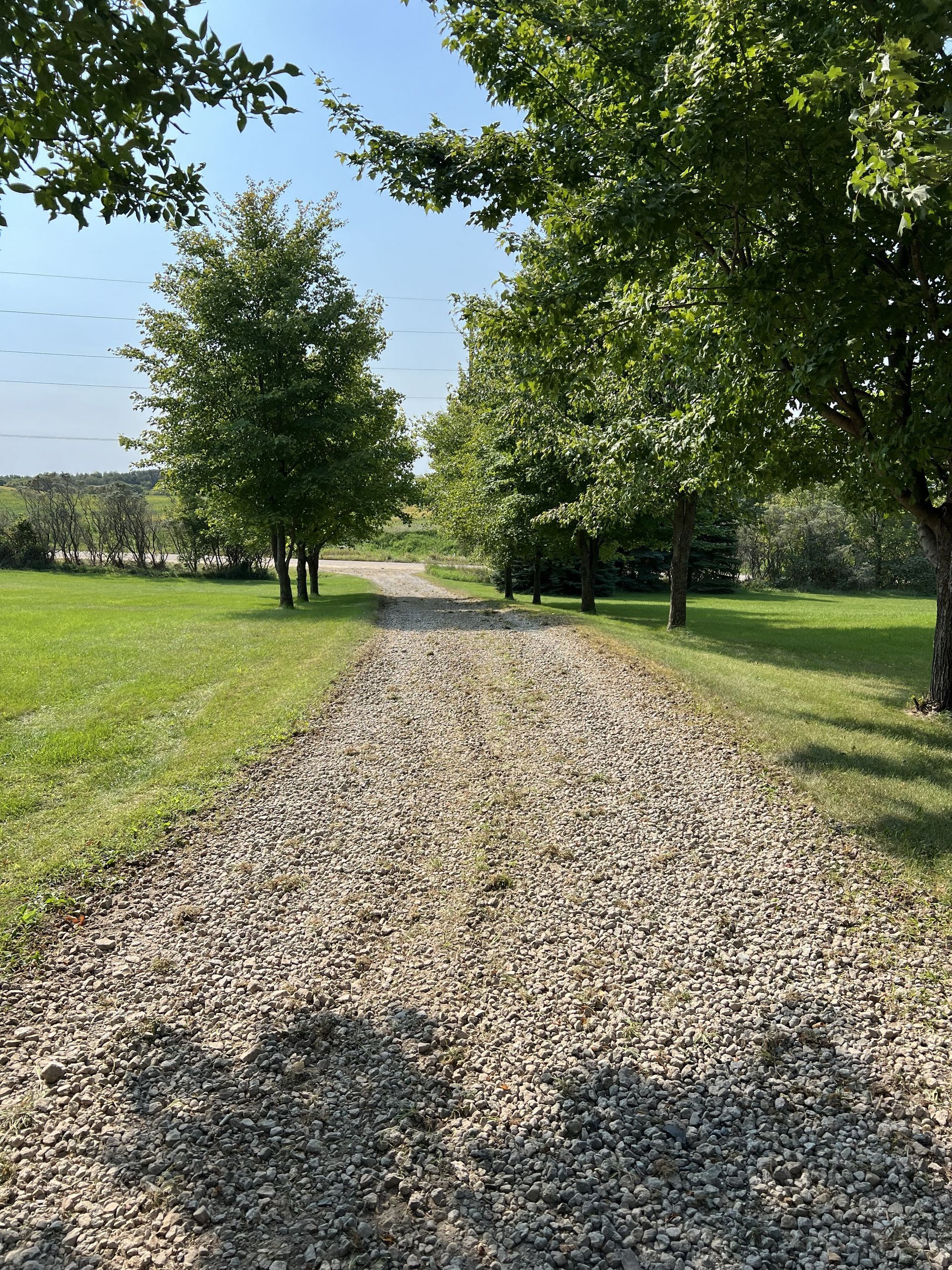
Gravel driveway maintenance and repair in Montgomery for washouts, ruts, and drainage problems
Freeze-thaw cycles in Minnesota create washouts and ruts that turn functional driveways into obstacle courses by mid-spring. Back 40 Dirt and Timber addresses these problems through grading and drainage work that redirects water away from the travel surface rather than letting it pool and soften the base. You'll see this issue when your driveway develops potholes that reappear weeks after you fill them, or when runoff carves channels that get deeper with every rain.
Proper repair involves regrading the surface to create crown or slope that moves water off the driveway, then rebuilding the base where ruts have compressed and displaced material. Adding gravel without addressing drainage just covers the problem temporarily—the next heavy rain washes loose material into the low spots again, and freeze-thaw cycles continue breaking down the compacted base underneath.
Arrange an on-site assessment to identify drainage issues and base failures affecting your driveway.
Why Proper Grading Prevents Recurring Damage
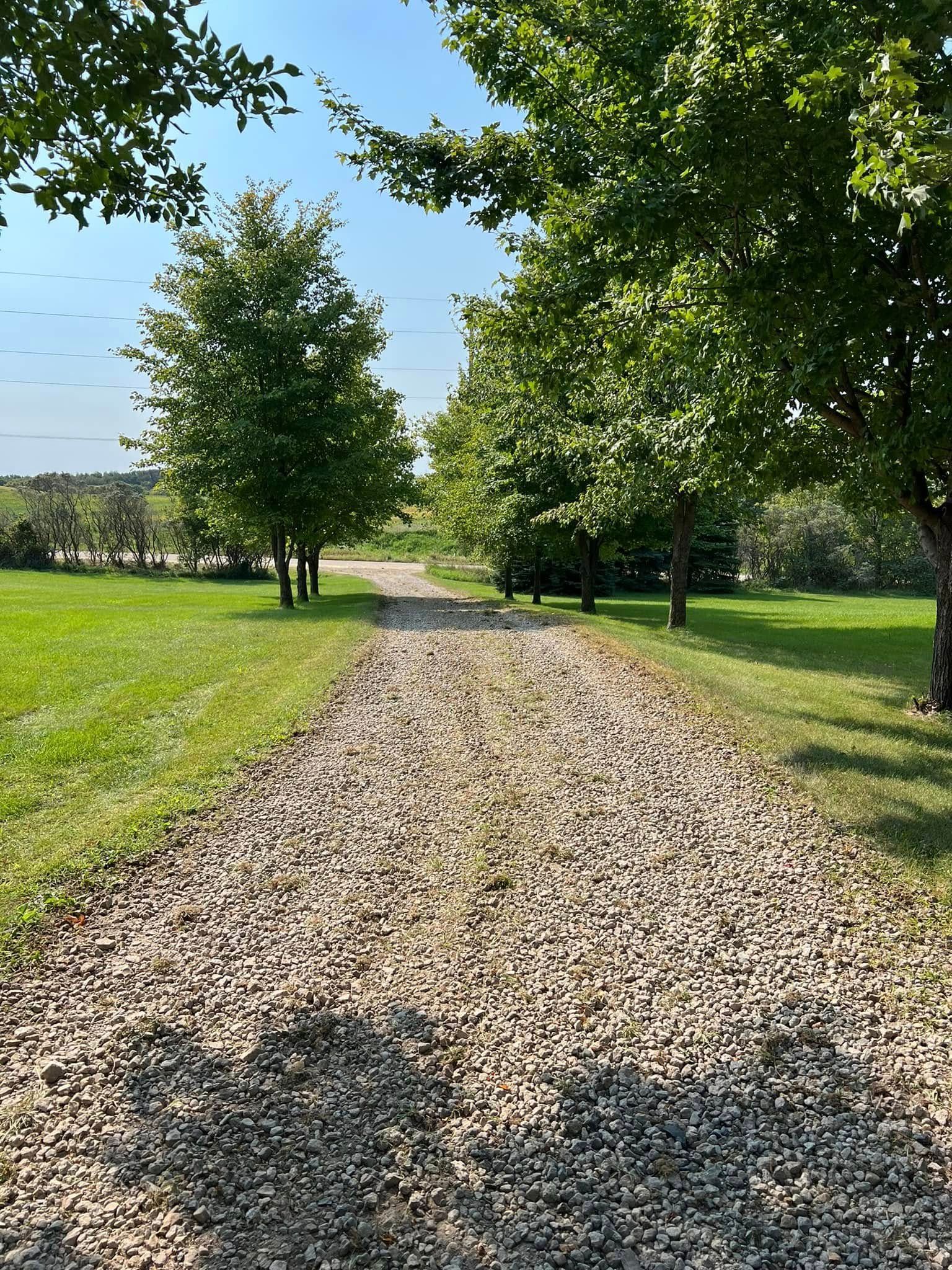
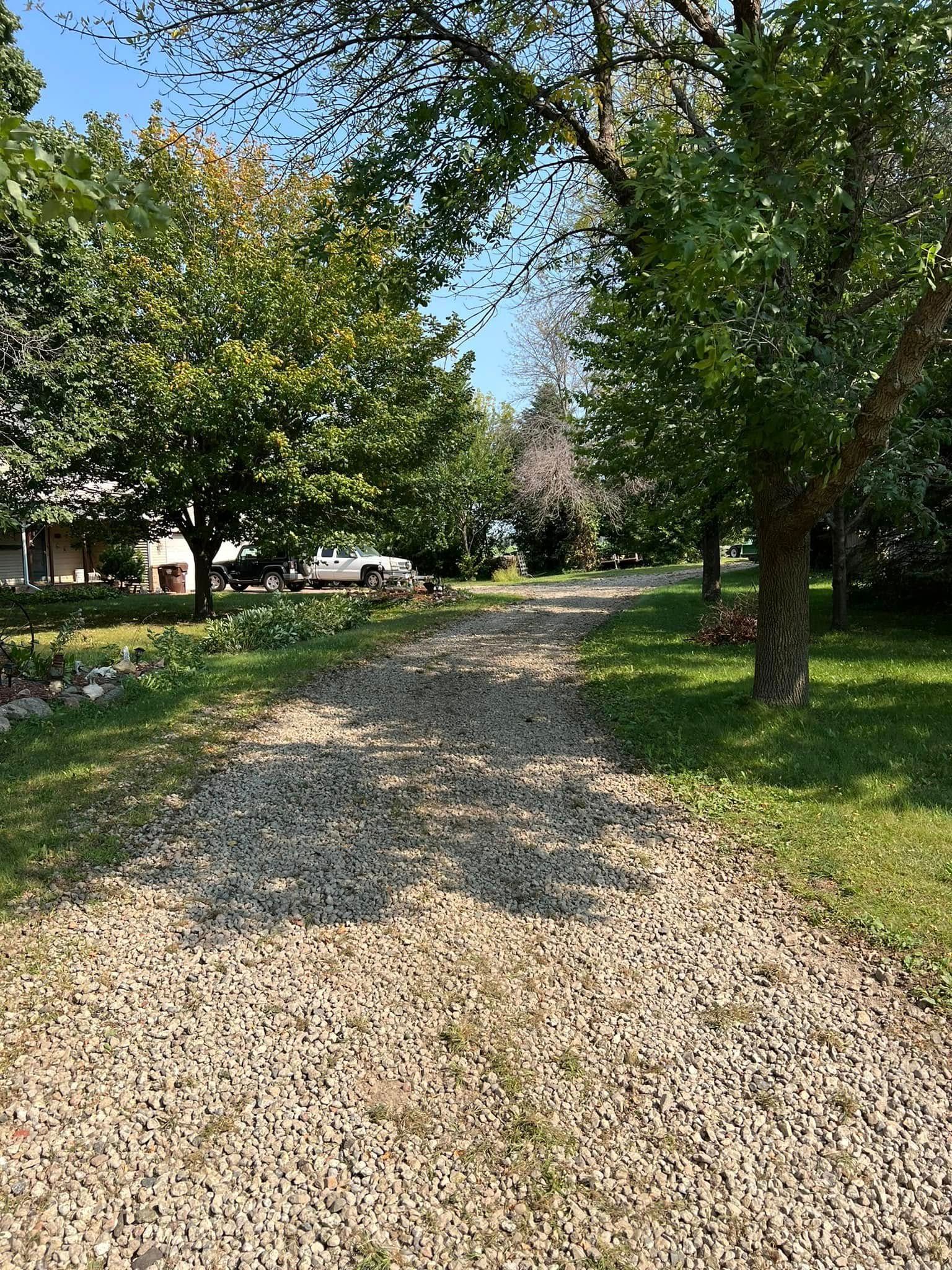
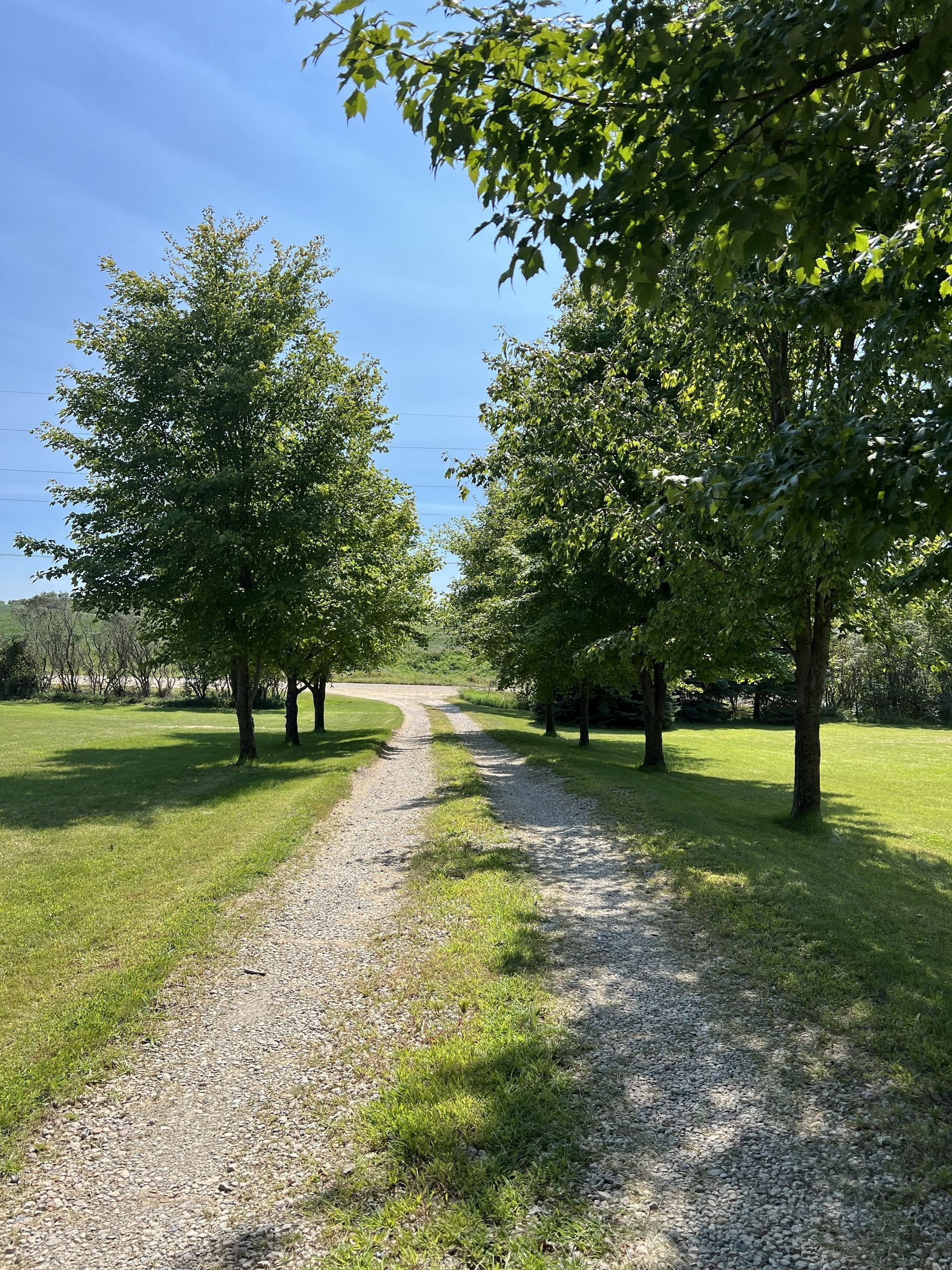
Grading establishes the slope and crown that determine where water goes when it hits the driveway surface. A properly graded driveway sheds water toward ditches or vegetated areas instead of letting it sit on the gravel, where it works its way down into the base layer and softens the soil beneath. The grading process involves reshaping the entire surface, not just dragging material from the edges back into the center, because restoring proper drainage requires consistent slope across the width and length of the drive.
Once the work is finished, you'll drive across a surface that stays firm under vehicle weight and doesn't develop the washboard texture that shakes trucks apart or the soft spots that trap tires during wet weather. Water runs off to the sides instead of pooling in the center, which means the base stays dry and maintains its load-bearing capacity through freeze-thaw cycles. The focus at Back 40 Dirt and Timber is on long-term durability rather than quick fixes that need attention again the following spring.
Base preparation matters when ruts have gone deep enough to displace the foundational layer—adding gravel on top of compromised base just delays the inevitable return of the same ruts. Some driveways need culvert work or ditch cleaning to handle the volume of runoff coming from uphill, and steep grades sometimes require additional aggregate to build up material that naturally migrates downslope over time.
Answers to Frequent Service Questions
Rural property owners dealing with driveway problems typically want to know what's causing the damage and how long repairs will last under local conditions.
What causes potholes to keep coming back?
Potholes form when water infiltrates the base layer and freeze-thaw cycles expand and contract the saturated soil, breaking apart the compacted material—filling the hole without fixing drainage means the same water infiltration pattern continues and the pothole reforms.
How does Minnesota climate affect gravel driveways?
Winter frost pushes material upward as water in the soil freezes and expands, then spring thaw softens the base as ice melts and drains, leaving the surface loose and vulnerable to rutting under vehicle traffic before the ground refirms.
When should driveway work be scheduled?
Late spring after the ground has dried and firmed up, or fall before freeze-up, provide the best conditions for grading and compaction—working during mud season just creates new ruts from equipment weight.
What's the difference between adding gravel and full repair?
Adding gravel covers surface problems temporarily but doesn't address base failure or drainage issues, while full repair rebuilds the base where needed, corrects drainage slope, and then adds new aggregate on top of a stable foundation.
How much gravel gets added during maintenance?
The amount depends on how much material has washed away or been displaced into ruts, but typical maintenance involves spreading one to three inches of new aggregate after regrading, with heavier applications where base damage has occurred.
Back 40 Dirt and Timber is fully insured with expertise in rural access solutions across Montgomery and surrounding areas. Contact the company directly to schedule a property visit and receive a detailed estimate based on current driveway conditions.