Compliance Without the Risk of Burning
CRP management in Elko for Conservation Reserve Program mowing requirements
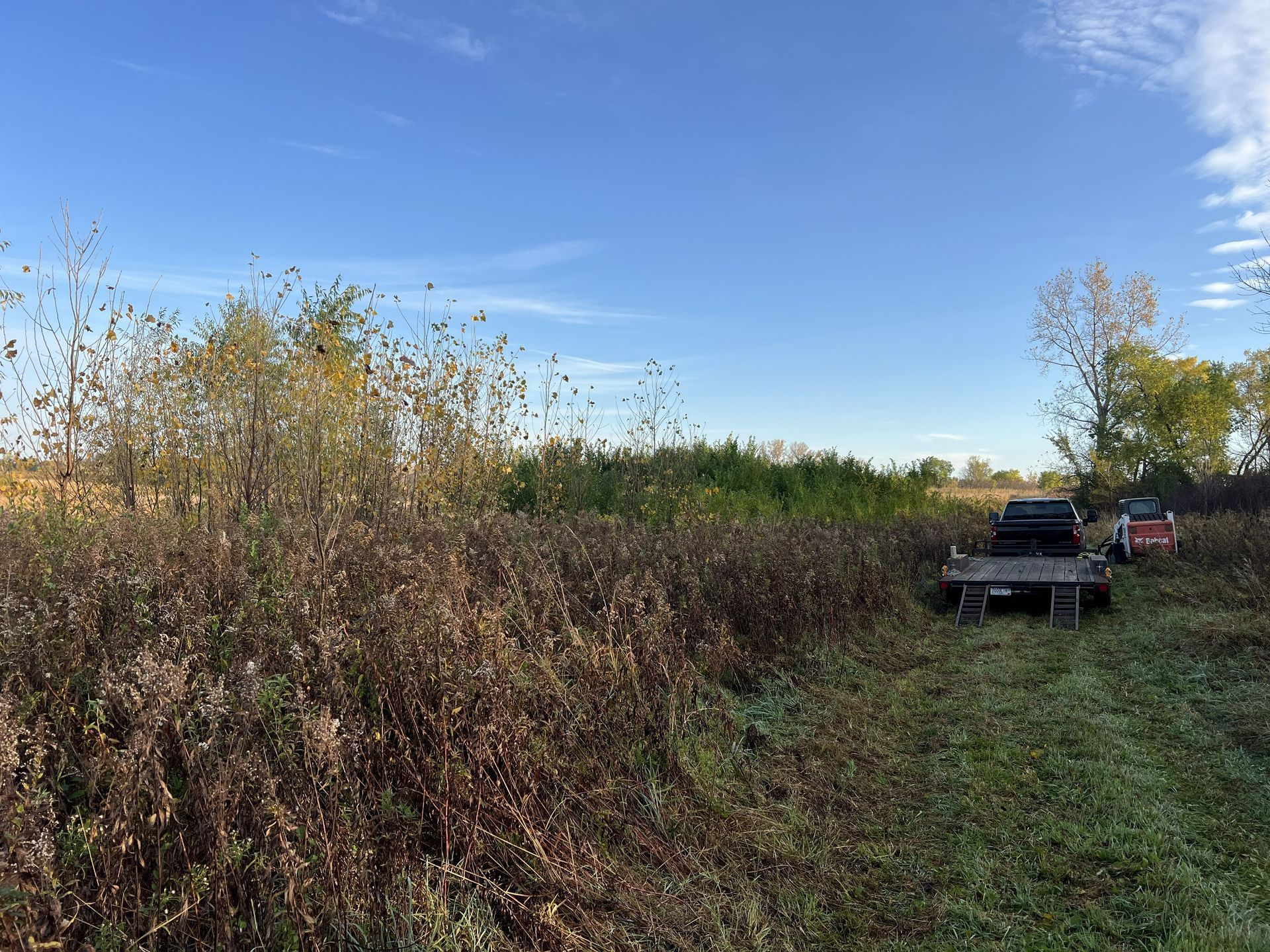
Conservation Reserve Program properties in Elko require periodic vegetation management to maintain compliance with federal contract terms, but burning creates safety concerns, liability exposure, and unpredictable results that many landowners prefer to avoid. Mowing provides a compliant alternative that removes accumulated vegetation, controls woody encroachment, and satisfies FSA requirements without the stress of managing an open burn. You need this service when your CRP contract specifies vegetation management timing, when woody plants are invading grass stands, or when accumulated thatch is preventing desirable species from establishing.
CRP mowing involves cutting vegetation to the height and timing specifications outlined in your contract, which vary based on program type, county location, and specific conservation goals tied to your enrolled acres. Back 40 Dirt and Timber understands state-by-state requirements and federal compliance standards from personal CRP land experience, which means the work gets done within approved timing windows and buffer restrictions that protect your program payments.
Request a contract review to confirm mowing timing and buffer requirements before scheduling work.
What Proper CRP Mowing Requires
Compliance mowing means understanding which areas can be cut, when work is allowed, and what height restrictions apply based on your specific contract type. General signup CRP has different rules than continuous signup, pollinator habitat contracts have nesting season restrictions, and some practices require FSA approval before any vegetation management occurs. The mowing process removes accumulated growth and woody encroachment while staying within buffer distances from wetlands, waterways, and property boundaries that trigger compliance violations if disturbed.
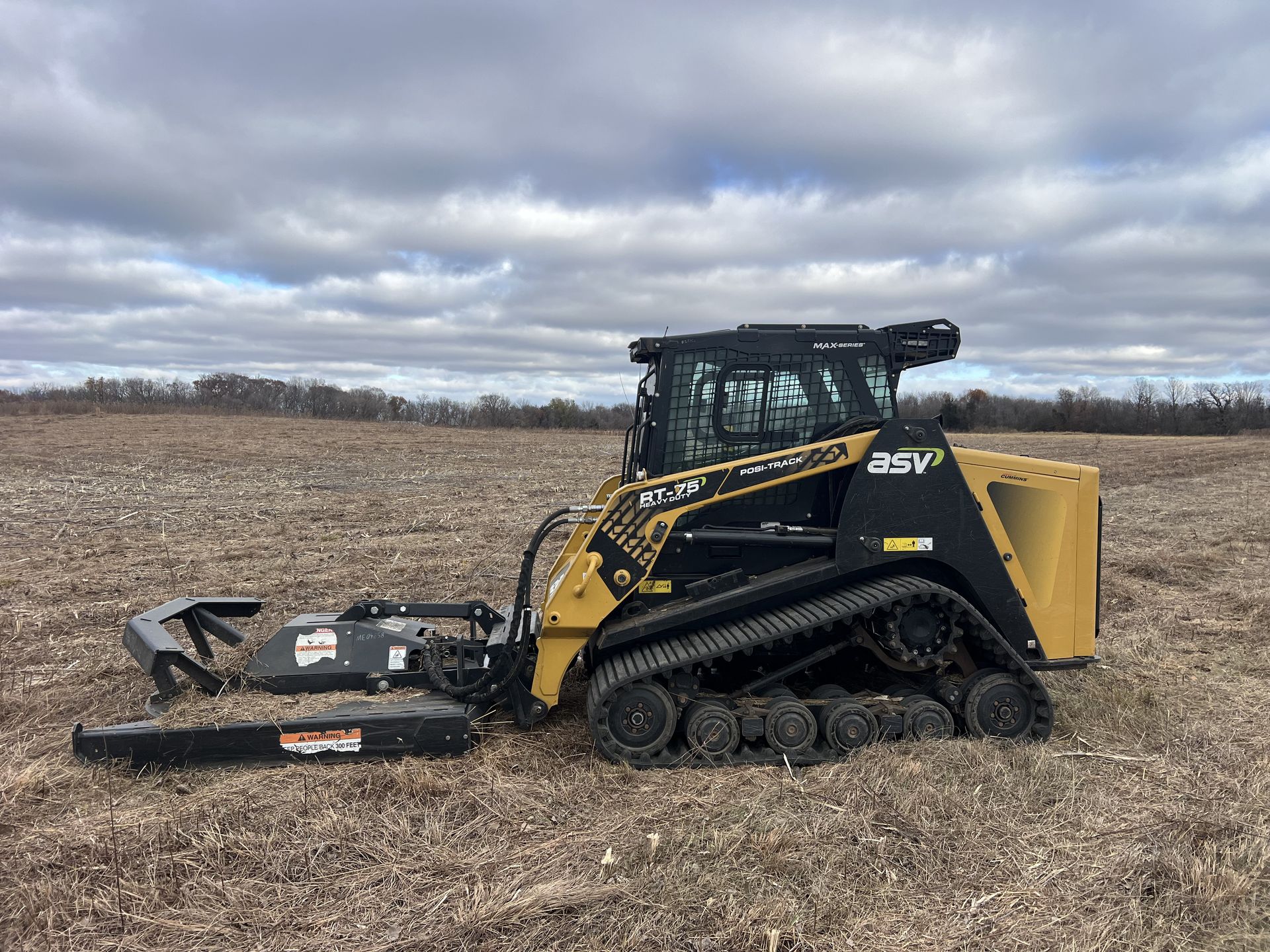
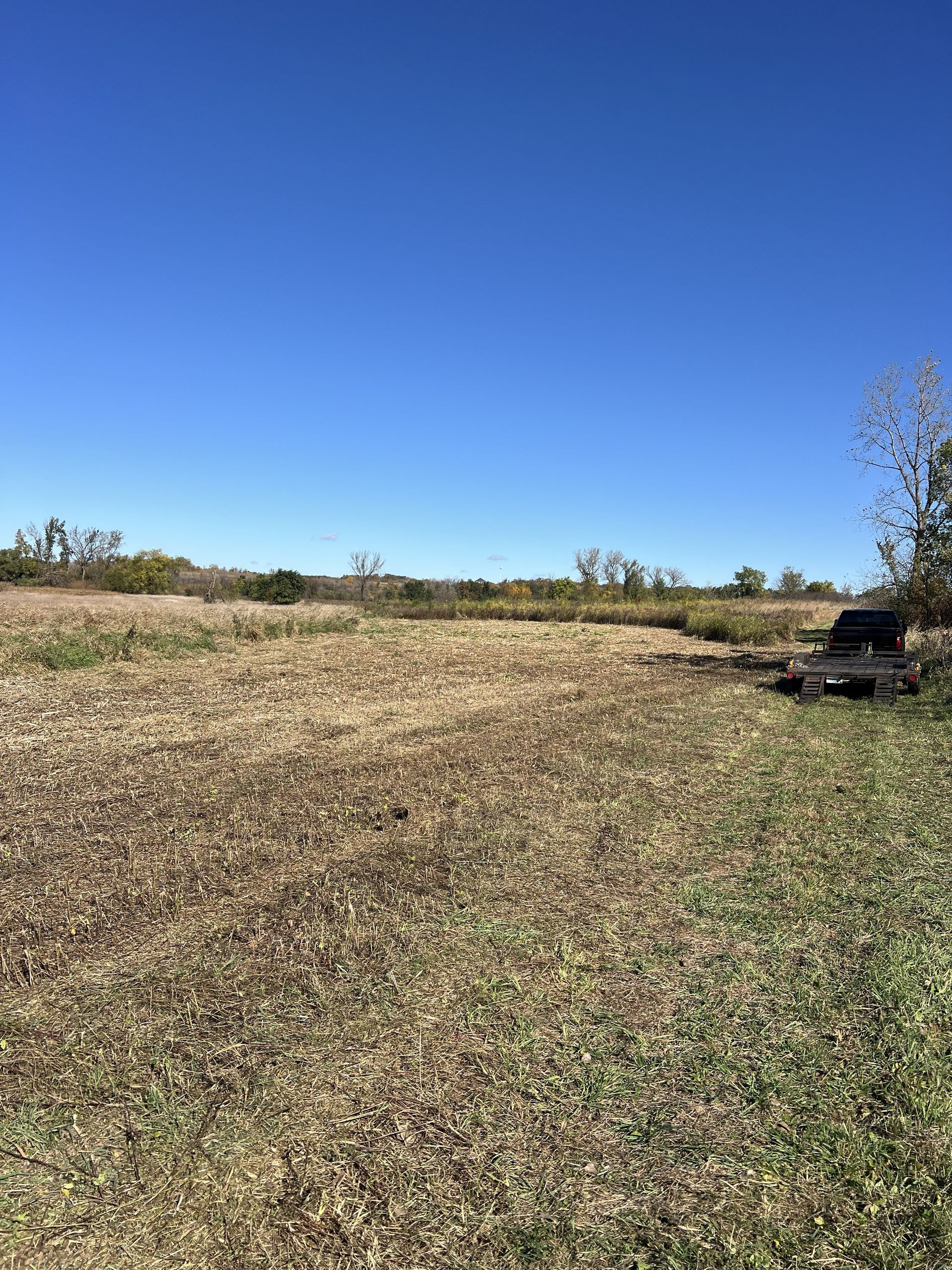
After mowing is finished, you'll notice cleared vegetation that meets contract specifications, reduced fire fuel load compared to letting thatch accumulate year after year, and woody species cut back before they establish root systems that compromise the grass stand. The no-burn approach eliminates the safety concerns of managing fire in windy conditions, the liability exposure if flames spread beyond your property, and the stress of coordinating burn permits, weather windows, and firebreak preparation. The focus here is on meeting government requirements while reducing complications for property owners who want their CRP maintained without the risks burning introduces.
The service includes compliant mowing within approved timing windows and buffer zones, but it doesn't include herbicide application for invasive species control, tree removal beyond what the mowing deck can cut, or soil disturbance activities that require separate FSA approval. Some contracts specify mowing frequency or restrict management to every three years, and certain high-priority wildlife habitat practices may prohibit mowing altogether except under emergency conditions approved in advance by your FSA county office.
What Property Owners Usually Ask
Landowners enrolled in conservation programs typically want to know how mowing affects their contract standing and what's required to stay compliant with federal rules.
What's different about CRP mowing compared to regular brush cutting?
CRP mowing must follow contract-specific timing restrictions, buffer distance requirements, and height specifications that standard land clearing doesn't account for—work done outside those parameters can trigger payment reductions or compliance violations that affect future contracts.
When is mowing allowed on enrolled acres in Rice County?
Timing depends on your contract type, but most general CRP allows mowing after July 15 to avoid nesting season, while some pollinator and wildlife habitat contracts restrict management to every three years or require FSA approval before any work begins.
Why choose mowing instead of burning for vegetation management?
Mowing removes accumulated growth and woody encroachment without the safety risks, liability exposure, weather dependency, and permit coordination that burning requires, making it a less stressful option for landowners who want compliance without complications.
How does personal CRP experience affect service quality?
Owning and managing CRP land provides firsthand knowledge of FSA inspection standards, timing restrictions, buffer interpretation, and the documentation needed to demonstrate compliance if questions arise during farm visits or spot checks.
What documentation confirms that mowing was done correctly?
Maintaining records of mowing dates, areas covered, and contract specifications protects you during FSA compliance reviews, and GPS-marked boundaries help demonstrate that work stayed within approved zones and respected required buffer distances.
Back 40 Dirt and Timber brings understanding of federal compliance standards and safer alternatives to burning for CRP properties across southern Minnesota. Call (507) 581-8679 to discuss your contract specifications and schedule compliant vegetation management.